Spocket and Sellvia are two of the most popular dropshipping platforms available, but which one actually gives your business the best chance to succeed?
To find out, I compared both platforms in-depth across 9 key areas — from shipping and supplier quality to automation and product range.
Based on this hands-on analysis, Sellvia comes out on top if you want fast US delivery and plug-and-play sales tools.
Spocket, on the other hand, offers more flexibility and international reach.
Spocket vs Sellvia: Quick Verdict
Sellvia – Best for fast US shipping and built-in sales tools
Spocket – Best for product variety and targeting the US and Europe
In this comparison, I’ll break down the real pros and cons of each platform based on pricing, product sourcing, shipping times, profit margins, automation, and more — all from the perspective of someone building a serious online store.
Quick Comparison: Spocket vs Sellvia
Here’s a snapshot of how both platforms compare across core areas:
| Feature | Spocket | Sellvia |
|---|---|---|
| Best For | Variety & international reach | Fast US shipping & easy setup |
| Pricing | Free plan + paid tiers from $39/mo | Starts at $39/mo (no free plan) |
| Shipping Location | US & EU suppliers | US-only (California warehouse) |
| Avg. Shipping Time | 2–7 days (US), varies | 1–3 days (US) |
| Product Catalog | 50,000+ products | Curated bestsellers |
| Platform Integration | Shopify, WooCommerce, others | Shopify, WooCommerce |
| Automation Tools | Product sync, auto order, tracking | Product sync, upsells, funnels |
| Branding | Branded invoices (select suppliers) | Branded packaging available |
Best for Shipping: Sellvia
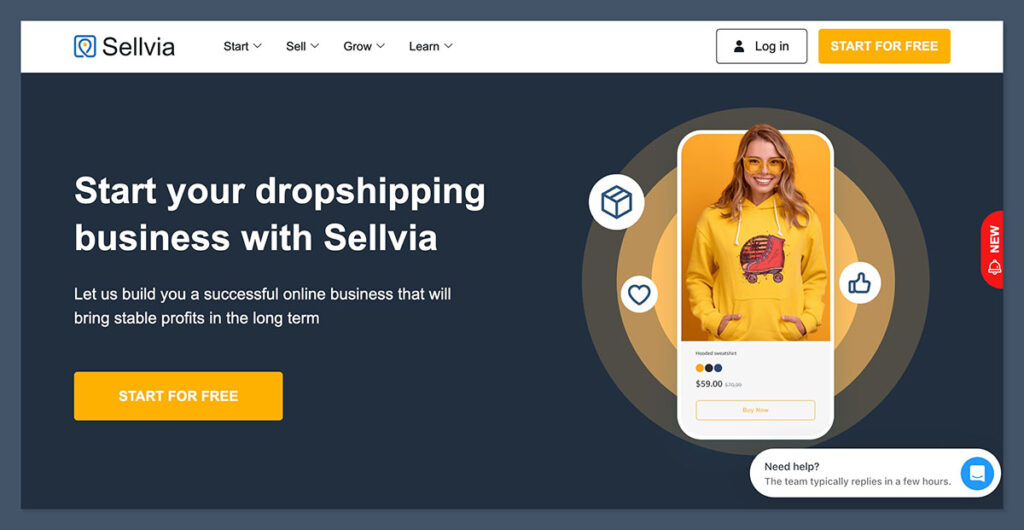
Shipping speed can make or break a dropshipping business — especially in the US, where customers expect Amazon-level delivery times.
This is where Sellvia clearly outperforms Spocket.
Sellvia’s US Warehouse Advantage
- All products are stored in California, so shipping is fast and predictable.
- Orders typically arrive in 1–3 days via USPS or UPS.
- No delays from third-party suppliers or overseas shipping.
- Reduced chargebacks, fewer refund requests, and better customer retention.
Sellvia’s ability to store all products in its own warehouse gives you a layer of control and reliability that most third-party dropshipping setups can’t match.
You’re not at the mercy of supplier delays, customs issues, or supply chain inconsistencies — and that directly translates to a smoother customer experience.
Spocket’s Supplier Variability
- Spocket connects you to third-party suppliers, mostly in the US and EU.
- While some US suppliers deliver in 2–5 days, others can take longer.
- Delivery speed varies by supplier and product, so consistency isn’t guaranteed.
Because you’re relying on independent suppliers through Spocket, there’s always a risk of delayed shipments, poor communication, or out-of-stock issues.
Unless you carefully vet every supplier, you may run into fulfillment headaches that impact your store’s reviews and long-term customer retention.
Winner: Sellvia
If you’re targeting the US market, Sellvia’s warehouse model gives you a clear edge.
You won’t need to gamble on supplier reliability or worry about unexpected delays.
Best for Product Variety: Spocket
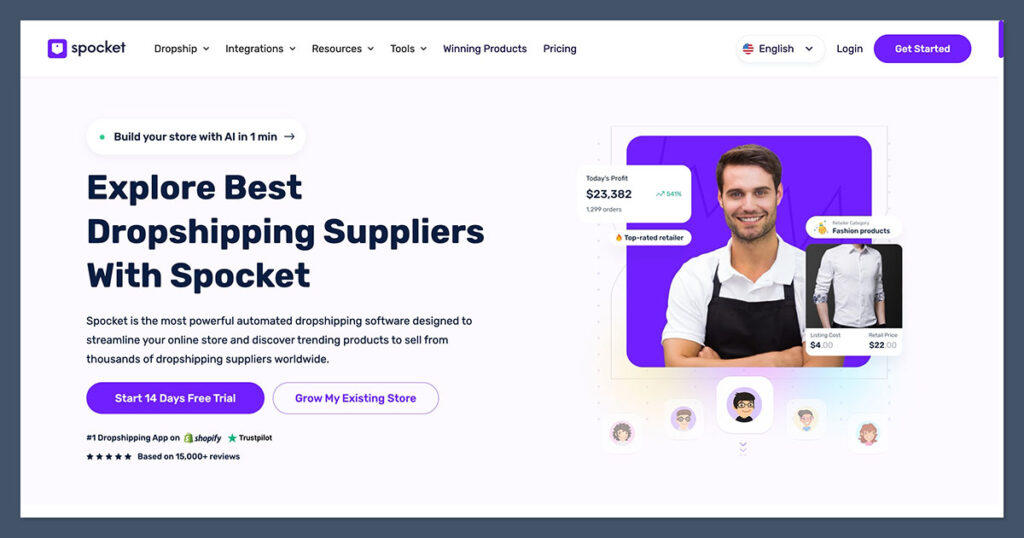
If you’re looking for a broad catalog or want to build a niche store, Spocket offers more flexibility than Sellvia.
Spocket’s Large Catalog
- Access to 50,000+ products across dozens of categories.
- Products from US, EU, and some global suppliers.
- Strong for niche markets like eco-friendly goods, handmade products, or regional specialties.
Spocket is a strong option for sellers who want to experiment across verticals or build stores around niche audiences.
Whether you’re launching a store focused on pet wellness, organic skincare, or Nordic home décor, the catalog has enough depth to support that without relying on generic bestsellers.
Sellvia’s Curated Winners
- Offers a limited range of products — all are proven bestsellers.
- Each product comes with done-for-you descriptions, images, and ad creatives.
- Great if you’re just starting out or focusing on general-store style marketing.
Sellvia’s tight catalog does remove guesswork, but it also limits your ability to stand out.
If you want to build a brand around unique or premium products, you may struggle to differentiate your store if it’s pulling from the same pool as thousands of other sellers using Sellvia.
Winner: Spocket
If you want more control over your catalog or plan to test niche markets, Spocket’s massive range is a better fit. But be prepared to do your own product research and testing.
Best for Pricing: It’s a Tie
Both Spocket and Sellvia offer affordable monthly plans, but their pricing structures are different.
| Platform | Free Plan | Paid Plans | Custom Store Setup |
|---|---|---|---|
| Spocket | Yes | $39.99–$99.99/mo | No |
| Sellvia | No | $39/mo or $399/year | Yes (included in Pro plan) |
What You Get With Spocket:
- A free plan lets you browse and import a few products.
- Most US and premium suppliers are locked behind Pro and Empire tiers.
- Higher tiers include branded invoicing, faster support, and more automation.
Spocket’s pricing model gives you flexibility as you grow.
You can start testing products without committing to a monthly fee, and upgrade only once you start seeing traction.
But once you’re scaling, the costs can add up — especially if you need access to premium US suppliers.
What You Get With Sellvia:
- No free plan, but $39/mo gives you access to all products and fast fulfillment.
- $399/year Pro plan includes a ready-made store with product pages and upsells set up for you.
Sellvia’s flat-rate pricing is straightforward and removes a lot of the complexity.
You know exactly what you’re getting, and the done-for-you store setup can save hours.
But if you’re just experimenting or launching multiple stores, that $399 yearly fee might feel steep unless you’re generating consistent sales.
Winner: Draw
Spocket gives you a free way to start testing. Sellvia is more all-in-one and gives you built-in sales tools for a flat price.
If you need simplicity and speed, Sellvia is more cost-efficient long term.
Best for Automation: Sellvia
Automation saves time, reduces human error, and helps scale your business — and Sellvia handles more of this out of the box.
Sellvia’s Built-In Features:
- One-click import to Shopify or WooCommerce.
- Auto-fulfillment through its own warehouse.
- Pre-built upsell funnels and bundles.
- Ready-to-go ad creatives.
This means less time spent tweaking settings or building upsells from scratch, and more time focused on marketing and conversion.
If you’re trying to grow fast or run multiple stores, this level of automation makes a big difference.
Spocket’s Automation:
- Works well with Shopify and WooCommerce.
- Product import, order sync, and inventory updates included.
- Fulfillment depends on the supplier, so experiences may vary.
- No built-in upsells or marketing tools.
While Spocket covers the basics, you’ll need third-party apps to match the functionality of Sellvia’s built-in sales tools.
That’s more moving parts to manage — and potentially more monthly subscription fees to pay on top of Spocket’s own plans.
Winner: Sellvia
Sellvia is designed for speed and ease. If you want a more plug-and-play system with fewer moving parts, it’s the better choice.
Best for Branding: Spocket
If you’re building a long-term brand and want to personalize the customer experience, Spocket gives you more flexibility.
Spocket’s Branding Options:
- Some suppliers offer white-label products and branded invoicing.
- You can customize packaging (where available).
- Better suited for niche, higher-end brand experiences.
The ability to white-label or include branded invoices can elevate your store’s image and improve customer retention.
If your goal is to eventually shift toward a private-label model or launch your own line, Spocket is a more natural stepping stone.
Sellvia’s Branding:
- Offers basic custom packaging options, but limited control.
- All products come from the same fulfillment center.
- Not ideal if you’re trying to create a luxury or boutique brand image.
Because all products are handled by a centralized system, you don’t have the same ability to shape the unboxing experience or include brand-specific materials.
That’s fine for speed and simplicity, but it may hold you back if customer experience is a big part of your brand.
Winner: Spocket
For custom branding, unique product sourcing, and long-term brand building, Spocket gives you more control — assuming you’re willing to put in the extra work.
Best for Support and Returns: Sellvia
Good support and a clear returns policy can reduce friction and boost customer satisfaction.
Spocket Support:
- Offers email and live chat.
- Return and refund policies vary by supplier.
- You’ll need to check individual seller terms before listing a product.
This decentralized approach can work fine if you build strong relationships with reliable suppliers.
But if you’re managing returns across multiple vendors, it quickly becomes a hassle — especially when customers expect fast replies and clear policies.
Sellvia Support:
- Centralized support team.
- Standardized 14-day return policy for all products.
- Everything is handled through the US warehouse.
Because Sellvia controls the inventory and fulfillment, it’s much easier to get fast support and consistent policies.
You’re not bouncing between different suppliers or chasing down refund details — and that helps you maintain credibility with your customers.
Winner: Sellvia
With one warehouse and one team handling everything, Sellvia simplifies the support and returns process — which is a big deal when you’re scaling.
Best for Beginners: Sellvia
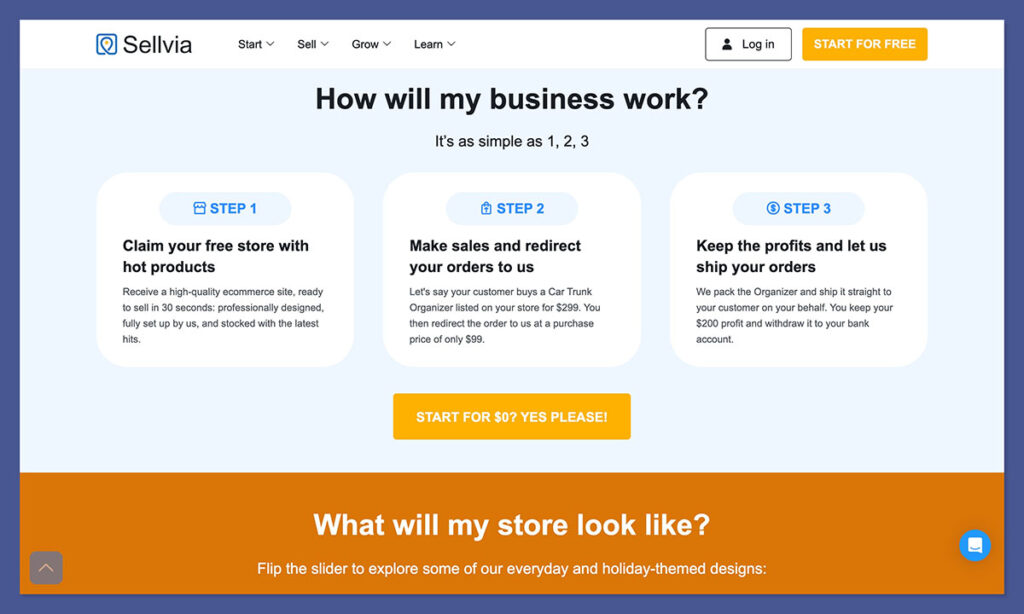
If you’re new to dropshipping, you probably want something that just works — without needing 10 plugins or tons of research.
Sellvia is Beginner-Friendly Because:
- It handles product sourcing, fulfillment, and even store design (on Pro plan).
- Curated products mean you don’t waste money testing losers.
- Comes with ready-made descriptions, images, and ads.
For anyone launching their first store, the built-in marketing tools and plug-and-play structure mean you can focus on driving traffic, rather than getting stuck in setup.
That can help you reach profitability faster.
Spocket Needs a Bit More Work:
- You choose your own products from a huge list.
- Quality and fulfillment vary between suppliers.
- No done-for-you marketing or store building tools.
While Spocket offers more control, it assumes you already know how to evaluate products, test ads, and optimize conversion.
That learning curve can slow you down if you’re new — or lead to costly mistakes.
Winner: Sellvia
It’s easier to get set up, launch, and start testing products with Sellvia — especially if you don’t want to deal with sourcing or branding right away.
Spocket vs Sellvia: Final Verdict
Here’s how I’d break it down depending on your goals:
| Situation | Recommended Platform |
|---|---|
| You want to start fast and sell in the US | Sellvia |
| You’re building a long-term niche brand | Spocket |
| You want done-for-you products + marketing | Sellvia |
| You want access to more unique suppliers | Spocket |
| You need fast, predictable shipping | Sellvia |
| You’re selling in Europe or internationally | Spocket |
If you’re just starting and want speed, Sellvia offers a direct path to testing products without needing to manage supplier relationships or write your own product descriptions.
It’s a great choice for entrepreneurs who care more about execution than customization, and it works particularly well in the US market.
On the other hand, Spocket gives you much more room to explore niche markets, differentiate your store, and slowly build a custom brand.
It may take longer to get everything set up, but if your long-term strategy involves expanding into European markets or private labeling, the flexibility Spocket offers could be a strategic asset.
Conclusion: Which Should You Use?
Both platforms are great — but they serve different types of sellers.
If you’re focused on the US market and want a fast way to test and scale winning products, Sellvia is the better pick. It’s faster, easier to use, and more beginner-friendly.
If you’re building a unique store, selling in multiple countries, or want more control over your branding and supplier relationships, Spocket gives you the tools and flexibility you need.
Each platform has a different approach to product sourcing and fulfillment, so the right choice depends on how hands-on you want to be.
Start by identifying your business goals, then pick the one that best fits how you want to run your store.
Whichever one you choose, focus on shipping speed, margin, and automation — that’s where the real money is made.